Getting to Know the Suir Valley Cycling Route
A beginner-friendly introduction to the route, covering key landmarks, rest stops, and what to expect on your first ride along this scenic riverside path.
Master the techniques that make longer rides enjoyable and sustainable, from pacing strategies to comfort essentials that keep you smiling for miles.

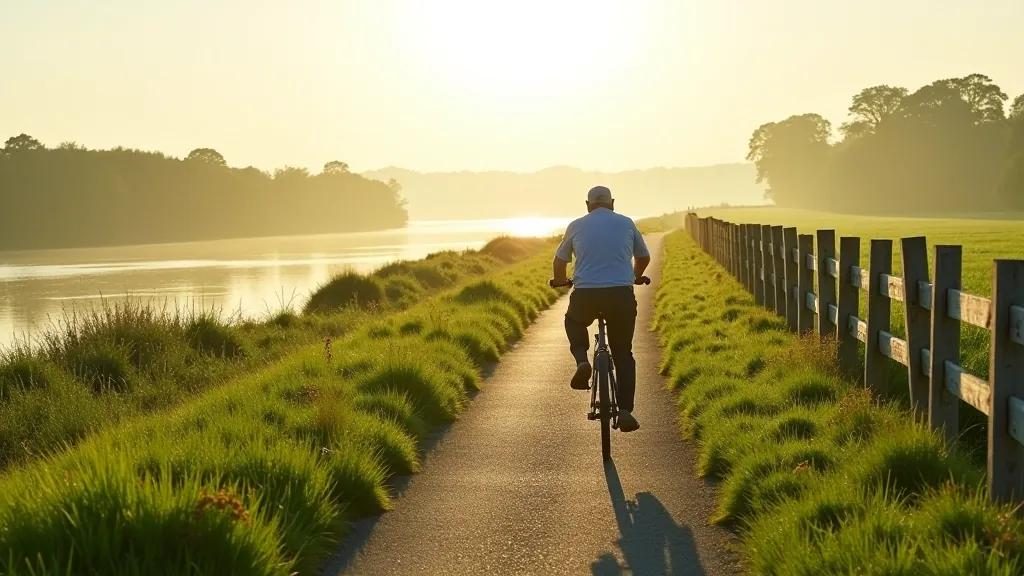
There's a difference between cycling and enjoying a cycle. When you're riding the Suir Valley route, you're not racing — you're exploring. That's where pacing comes in. It's not about speed. It's about finding the rhythm that lets you ride for hours without your legs screaming or your lower back aching by kilometre three.
The truth is, most cyclists push too hard at the start. They feel good, the legs are fresh, and they throttle forward. Then around the halfway point, everything tightens up. Knees start complaining. Energy vanishes. The ride that should've been enjoyable turns into a grinding effort just to finish.
We're going to walk you through the pacing strategies that actually work — the same ones used by cyclists who regularly do 50, 60, even 80 kilometres on the flat routes around Waterford and New Ross. You'll learn how to read your body, manage your effort, and build comfort into every kilometre.
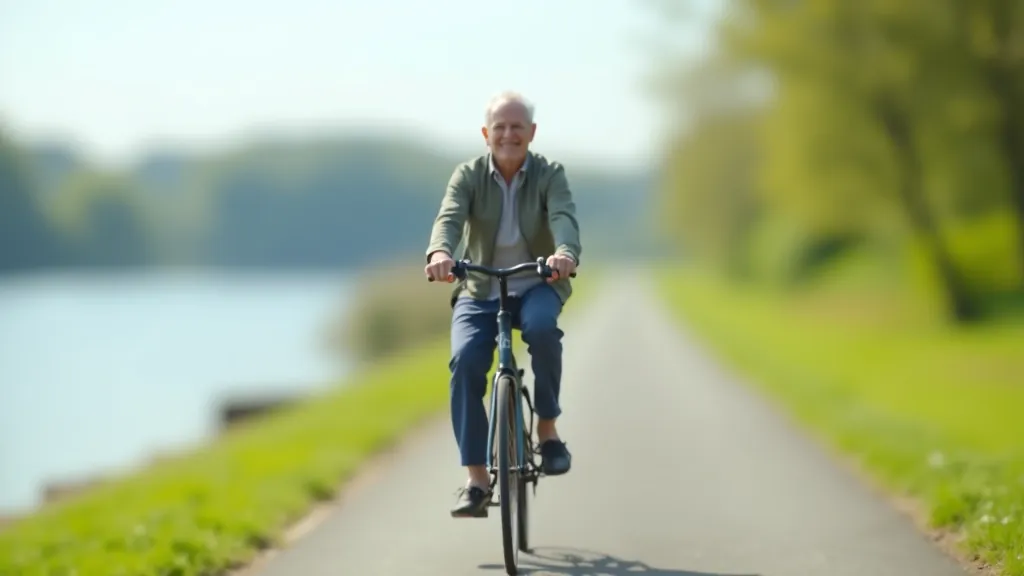
The first 3 kilometres set the tone for your entire ride. This is where most people go wrong. Your muscles feel strong, your bike feels responsive, and you naturally want to pick up the pace. Don't. Start at what feels almost too easy — something where you could comfortably chat with a riding partner without breathing heavily.
For a 50-kilometre route, you're looking at roughly a 4-5 kilometre per hour pace on flat terrain if you want to stay comfortable. That's about 20-25 kilometres per hour on the speedometer. Not fast, but perfectly respectable. Your cardiovascular system needs 10-15 minutes to fully warm up, and your muscles need time to shift into an aerobic rhythm — the kind where your body's burning fat efficiently rather than depleting glycogen rapidly.
Think of it like a long-distance runner. They don't sprint the first mile. They settle in. They let their breathing regulate. That's exactly what you're doing here — giving your body permission to find its sustainable pace instead of fighting against fatigue that you've created yourself.

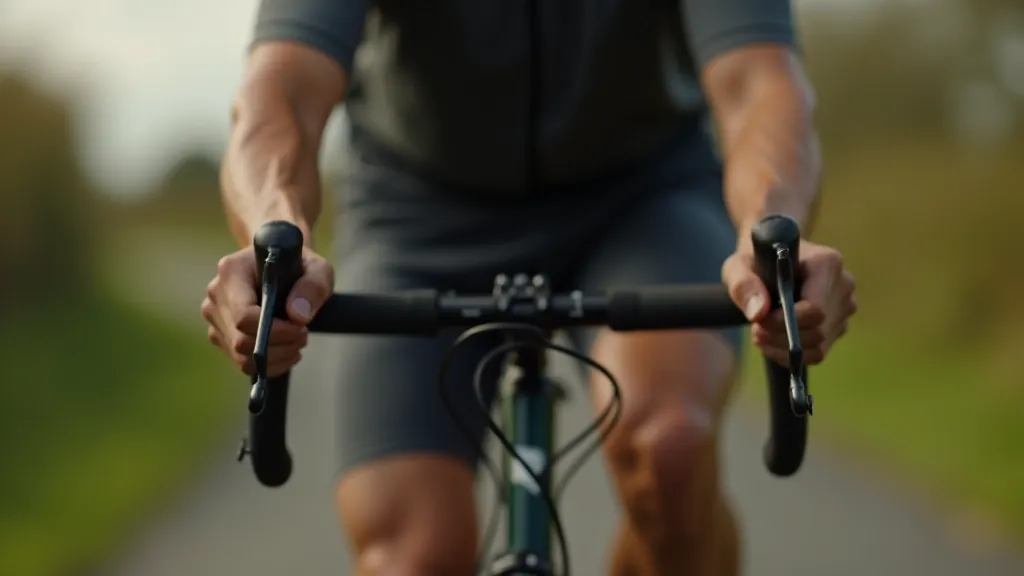
Here's something coaches have known for decades: your sustainable pace for long distances is roughly two-thirds of your maximum effort. Not a precise number, but it's a useful target. If you're riding at a level where you could push harder if absolutely necessary — but you don't need to — you're probably in the right zone.
On the Suir Valley route, where the terrain is genuinely flat, this translates to keeping your legs spinning at a moderate cadence — somewhere between 80 and 100 pedal revolutions per minute. Not crawling, but not sprinting. Your breathing should be steady. You shouldn't feel like you're gasping, but you also shouldn't feel like you could sing opera.
This zone is where your body becomes efficient. Your muscles use oxygen effectively. Your glycogen depletes at a manageable rate. You're building aerobic capacity without burning out. Stick here for 40 kilometres, and you'll have energy left for the final 10. Push harder early, and you'll be coasting (literally) by kilometre 30.
Disclaimer: This article provides general cycling guidance and pacing strategies for recreational riding on flat routes. It's not medical advice. If you have any cardiovascular concerns, joint issues, or haven't cycled regularly in years, chat with your doctor before starting longer routes. Everyone's fitness level is different — listen to your body and adjust your pace accordingly. The techniques here are suggestions based on common cycling practice, not prescriptions.
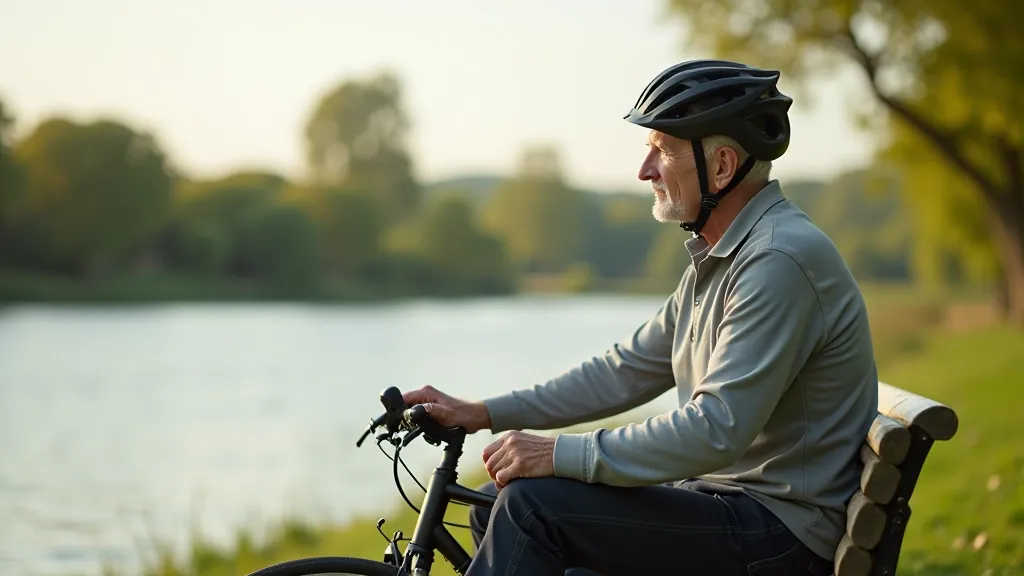
A 50-kilometre ride isn't meant to be non-stop pedalling. It's meant to be punctuated. You'll feel fresher, you'll enjoy the scenery more, and your muscles will thank you. Plan for a proper break around the 25-kilometre mark. Not just a 30-second water stop — an actual 10-15 minute pause where you can dismount, stretch, eat something light, and let your back decompress.
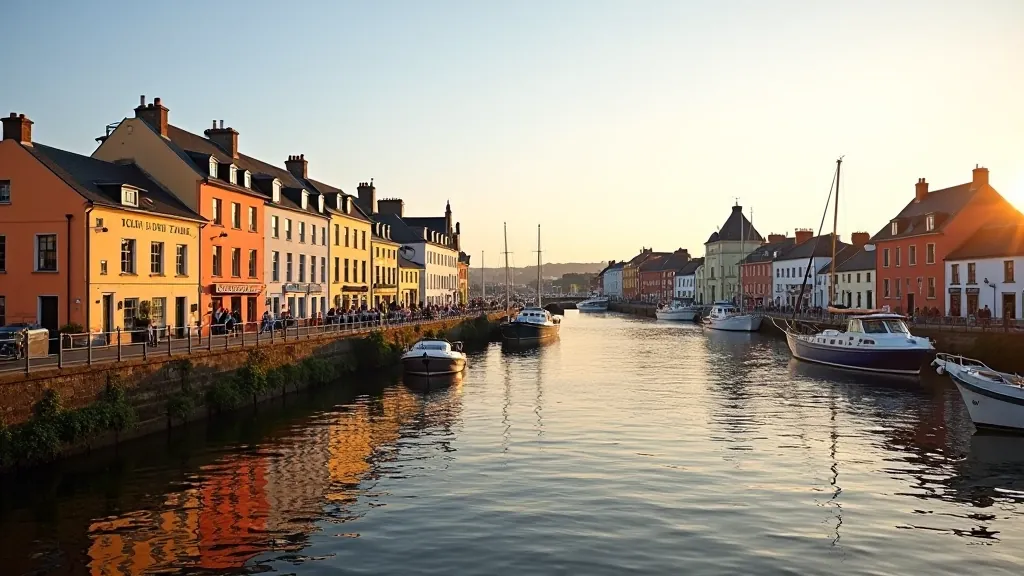
On the Suir Valley route, you've got brilliant options. Dunmore East has cafes. New Ross has waterfront stops. Waterford itself offers plenty of spots to rest and refuel. The beauty of a flat route is that it doesn't demand constant concentration — you can actually relax and take in where you are.
Those breaks aren't weakness. They're strategy. They reset your energy, prevent stiffness from setting in, and let you approach the second half of your ride fresh. Most experienced cyclists on long routes build in at least two breaks. You'll cover more ground comfortably than if you pushed through without stopping.
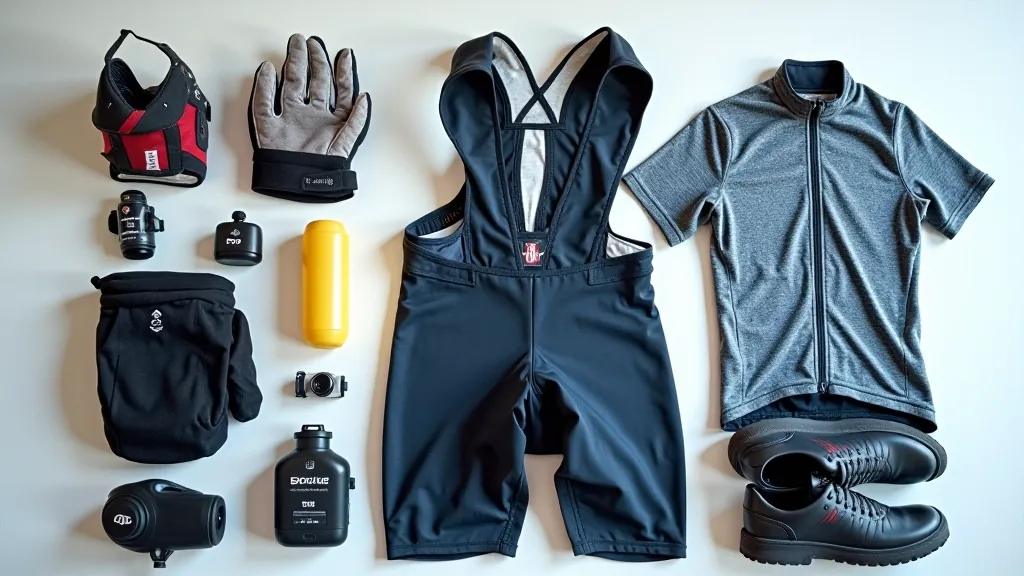
You don't need fancy equipment to ride comfortably for hours. But you do need the right stuff. Padded cycling shorts aren't luxury — they're essential. Your sit bones will thank you around kilometre 30. A decent saddle matters too. Wider, more forgiving saddles work better for longer routes than the razor-thin racing saddles.
Gloves reduce hand numbness and give you better grip security if you need to brake suddenly. A jersey with pockets keeps your phone, snacks, and tissues accessible. And water — you need proper hydration. Not a single bottle. Carry enough so you're drinking regularly, not rationing sips until the next village.
Chamois cream isn't fancy either — it's a practical solution that prevents chafing on longer routes. Apply it before you ride, and you'll avoid discomfort that would otherwise build up over 50+ kilometres. These aren't cosmetic upgrades. They're the difference between finishing a ride feeling great and finishing it sore.
You're ready. You know how to start slowly, how to maintain a sustainable pace, when to take breaks, and what gear makes a real difference. Now it's about getting on the bike and actually doing it. Your first 50-kilometre route might feel like a big step. It won't be. You'll settle into a rhythm, stop at a waterfront café around the midpoint, and by the final kilometres you'll realize you could've kept going.
That's the whole point of pacing. It transforms cycling from something you endure into something you genuinely enjoy. The Suir Valley route — from Waterford to New Ross and beyond — becomes a ride you look forward to, not something you dread. You'll find yourself planning the next route. Your fitness builds naturally. Your confidence grows. And you'll discover that cycling for longer distances is actually within reach for anyone willing to approach it sensibly.
Start slow. Maintain effort. Take breaks. Wear the right gear. That's it. That's the formula that works.