

Pace Yourself: Cycling Comfort for Longer Routes
Learn how to maintain comfort on longer rides with proper pacing strategies and technique adjustments.
Read MoreDiscover the 30-kilometre riverside path from Waterford to New Ross — a beginner-friendly cycling adventure through Ireland's scenic estuary with plenty of rest stops and landmarks along the way.
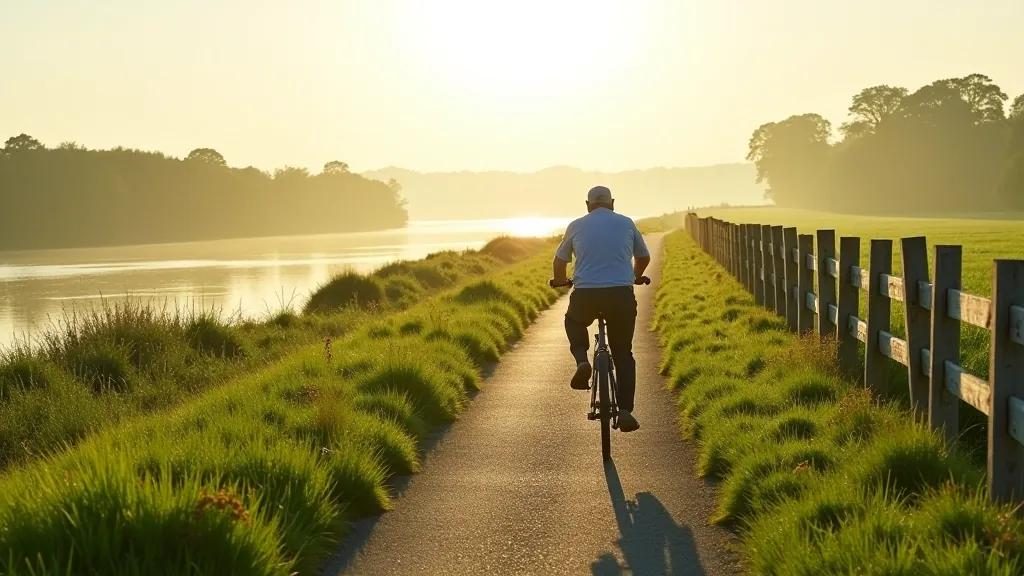

The Suir Valley Cycling Route is one of Ireland's hidden gems. It's a 30-kilometre journey that follows the River Suir from Waterford down to New Ross — and honestly, it's the kind of ride you'll want to do again and again. The path is completely flat, which means you're not fighting against hills. You'll pedal past farmland, river views, and charming villages without the stress of heavy traffic.
What really sets this route apart is how accessible it is. There's no need to be a seasoned cyclist. If you can ride a bike, you can do this route. We've designed it with cyclists aged 60+ in mind — there are benches for breaks, small villages where you can grab refreshments, and the whole thing takes about 3-4 hours if you're not rushing.
Total Distance
Terrain Type
Typical Duration
Rest Points
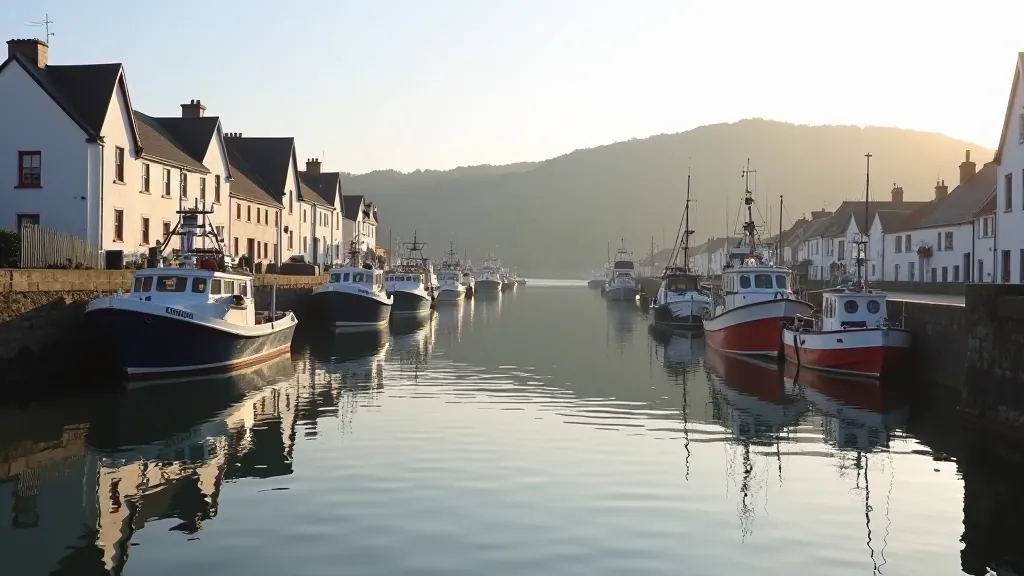
The route isn't just about the cycling — there's plenty to see and explore. Starting from Waterford City, you'll pass the historic Dunmore East fishing village around the 8-kilometre mark. It's a good spot for your first break if you need one. The harbour there is still active, so you'll see actual fishing boats coming and going.
As you continue, you'll reach Passage East around the 15-kilometre point. This is a proper village with a small café, toilets, and a lovely green space right by the water. Many cyclists stop here for a proper break — maybe grab a coffee and a sandwich. It's about halfway, so timing-wise it works perfectly.
The final stretch takes you through quieter countryside before arriving in New Ross. You'll see the Dunbrody Famine Ship museum — a full-scale replica of a 19th-century famine ship — which makes for an impressive finish point. If you've got energy left, it's worth spending an hour there before heading home.

Here's what you need to know about the actual riding surface. Most of the Suir Valley route is tarmac — smooth, well-maintained tarmac that's perfect for hybrid or road bikes. There are a few sections with minor potholes (especially after winter), but nothing that'll cause real problems. We're not talking mountain biking here. This is the kind of surface where a regular bike rides smoothly.
The route follows the river closely, so you're looking at consistent elevation — basically, you're not going up and down. The flatness is one reason it's so popular with older cyclists. Your legs aren't screaming by kilometre 15. You're cruising, not fighting.
Weather matters more than terrain here. On dry days, the path is brilliant. After heavy rain, some sections can get muddy, especially near Passage East. We'd recommend checking the weather before you go and avoiding the route for 24 hours after serious rain if you're on a road bike with thin tyres.
This guide is informational and educational in nature. Conditions on the route can vary based on weather, maintenance schedules, and seasonal changes. We strongly recommend checking local cycling websites and visitor information centres before your trip. Always wear a helmet, follow local traffic rules, and don't cycle alone. If you have health concerns or haven't cycled in a while, consult with your doctor before undertaking longer rides.
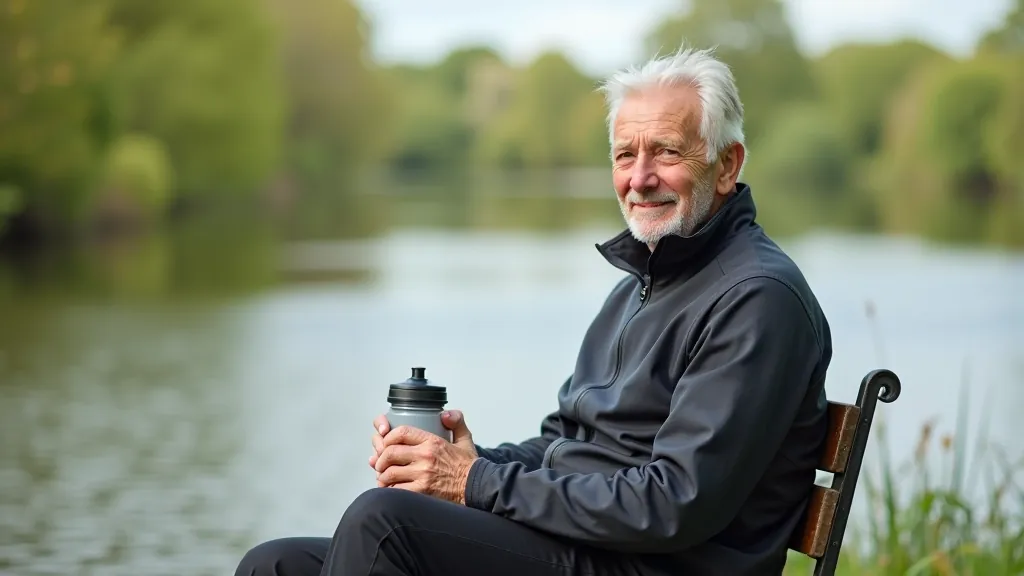
You don't need much to ride this route successfully, but a few things make the experience genuinely better. First, bring water — at least 1-2 litres depending on the season. The route has shade in places, but the sun exposure on the open sections is real. We'd recommend a hydration pack or water bottle holder that keeps water cool.
Snacks matter. Not fancy energy gels — just simple stuff. A banana, a protein bar, maybe some biscuits. You're not doing a marathon here, but your body will appreciate the fuel, especially if you're taking breaks and chatting with other cyclists. Many people pack a small sandwich for the Passage East stop.
Wear sunscreen even if the day looks cloudy. The water reflects sunlight, so you'll get more exposure than you think. A lightweight rain jacket packed in your bag is sensible too — weather changes quickly in coastal areas. And honestly? Comfortable padded cycling shorts make the difference between a pleasant ride and one where you're sore afterwards.

What you'll actually experience on the Suir Valley route is different from what you might imagine from reading about it. Yes, it's flat and easy — that's true. But it's also genuinely beautiful in a quiet way. You're not fighting traffic. You're pedalling past fields where you'll see cattle, maybe sheep. The river's always there on your right, and it changes character as you move through different sections.
People often mention the peaceful feeling. One regular cyclist described it as "the only time my mind actually shuts up." There's something about the rhythm of cycling, the consistent pace, the visual changes every few kilometres that just works. You're not exhausted like you might be after a tough hill route, so you can actually enjoy the experience rather than just survive it.
You'll probably meet other cyclists. The route's popular enough that you're not alone, but it's not crowded. People are friendly — cycling folk usually are. You'll hear Irish accents, British accents, Dutch accents. It's become a proper cycling destination, which means the facilities have improved. Cafés know cyclists are coming. Villages have started adding bike parking.
Logistics matter. The route starts in Waterford City and ends in New Ross. That's 30 kilometres one way, which means you've got a few options. The most popular choice? Drive to New Ross, park your car, then take a bus or arrange a ride back to Waterford with your bike on the rack. It sounds complicated, but it's actually straightforward once you've done it once.
Irish Bus Éireann and local taxi companies offer bike-friendly services. You'll want to book ahead during peak season (May through September). The bus ride back takes about 45 minutes and gives you time to cool down and chat with other cyclists who've just finished the route.
If you prefer a round trip, you can cycle from Waterford to New Ross and back the same day — it's 60 kilometres total. That's doable for people with regular fitness, though most folks prefer the one-way option with a bus return. It's less physically demanding and you finish feeling energised rather than wiped out.

The Suir Valley Cycling Route isn't complicated. It's a straightforward, beautiful, achievable cycling experience. Whether you're cycling solo, with a friend, or as part of a group, you'll find what makes this route special is the combination of physical ease and visual reward. You're moving at your own pace, you're not stressed about hills or heavy traffic, and you're seeing proper Ireland — the kind you don't get from a car window.
Start planning for your visit. Check the weather, sort out your transport logistics, pack your snacks, and pick a date that works. The route's there waiting, and it's genuinely worth the trip.